
Using an EOR During a Merger or Acquisition: A Practical Transition Guide
Why Cross-Border Employment Needs Early Attention in M&A A merger or acquisition can change who owns the business, which entity employs the workforce, how payroll...

Welcome to EOR Partners’ Russia page. Russia, with its vast natural resources and significant industrial base, offers numerous opportunities for businesses looking to expand globally. As the largest country in the world by land area, Russia provides a unique and diverse market for international businesses.
Russia is the world's 11th largest economy and has a diverse industrial base, including energy, manufacturing, telecommunications, and technology sectors. The country is a major exporter of oil, natural gas, and minerals, making it a critical player in the global economy. With a population of over 140 million people, Russia offers a substantial consumer market and a highly educated workforce.

144.2 Million
Population
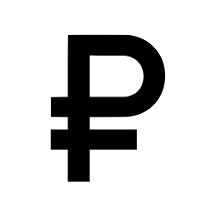
Ruble
Currency

2.24 Trillion
Global Domestic Product
Russia's strategic geographic location, abundant natural resources, and large, well-educated workforce make it an attractive destination for global expansion. The country's membership in various international economic organizations and trade agreements facilitates access to both European and Asian markets. Additionally, Russia's continuous efforts to modernize its economy and infrastructure offer significant opportunities for foreign businesses.
Russia's employment laws are comprehensive and designed to protect workers' rights. Employment contracts can be indefinite or fixed-term, with specific regulations governing each type. Employers must comply with statutory requirements related to wages, working hours, and conditions of employment. The labor market is regulated by the Russian Labour Code, which outlines the rights and responsibilities of both employers and employees.
EOR Partners provides a range of services in Russia, including payroll management, employee benefits administration, and compliance with local labor laws. We also offer support for obtaining work visas and residence permits for international employees. Our tailored services ensure that businesses can operate smoothly and compliantly in Russia.
Health Insurance: Employers are required to provide health insurance coverage through the Russian public healthcare system, with optional private insurance for additional coverage.
Pension Contributions: Employers and employees contribute to the Russian pension system, which is managed by the state.
Social Insurance: Covers various employee benefits, including sickness, maternity, and unemployment benefits.
Employees in Russia are entitled to a minimum of 28 calendar days of paid annual leave. This is in addition to public holidays, which typically include around 14 days per year.
Employees are entitled to paid sick leave, with compensation provided through the social insurance system. The amount and duration of sick leave depend on the employee’s length of service and the nature of the illness.
The standard workweek in Russia is 40 hours, typically spread over five days. Employees are entitled to a rest period of at least 42 consecutive hours per week. Breaks during the workday are also mandated, with the specifics depending on the length of the workday.
| Taxable Base | Tax Liability | Excess of Taxable Base | Tax Rate |
|---|---|---|---|
| 0 - 5,000,000 | 0 | 0 | 13 |
| Over 5,000,000 | 650,000 | 5,000,000 | 15 |
*All figures based on local currency