
Using an EOR During a Merger or Acquisition: A Practical Transition Guide
Why Cross-Border Employment Needs Early Attention in M&A A merger or acquisition can change who owns the business, which entity employs the workforce, how payroll...

Welcome to the Israel page for EOR Partners. As a leading Employer of Record (EOR) service provider, we are here to support your global expansion efforts in Israel. Our services ensure compliance with local employment laws and regulations, enabling you to focus on growing your business without the complexities of setting up a local entity.
Israel, located in the Middle East, is renowned for its technological advancements, innovative startups, and robust economy. With a population of over 9 million, Israel has a highly skilled workforce and a business-friendly environment. Major cities like Tel Aviv, Jerusalem, and Haifa are key economic centers, attracting significant foreign investment and fostering a vibrant business ecosystem.

9.558 Million
Population
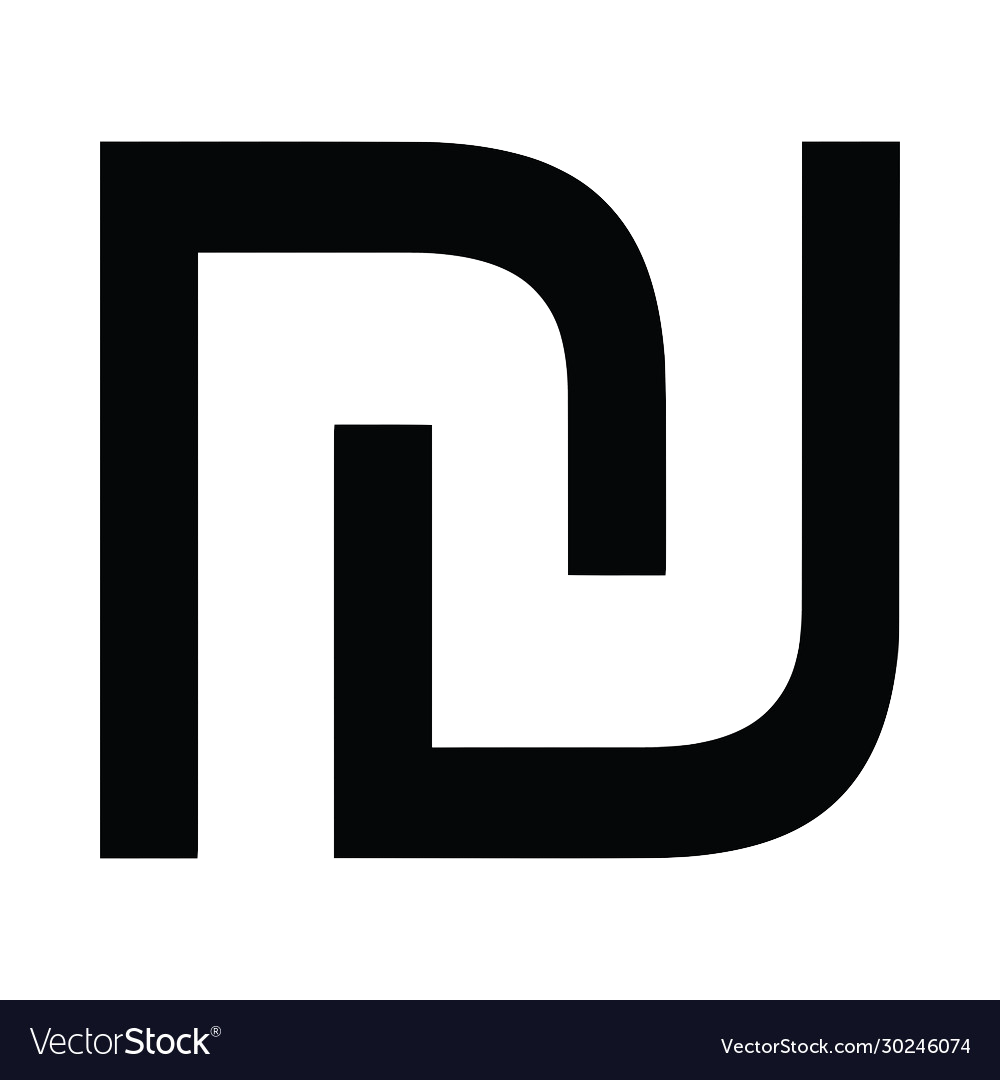
Shekel
Currency

525 Billion
Global Domestic Product
Innovation Hub: Israel is known as the "Startup Nation" due to its high concentration of tech startups and innovation-driven economy.
Highly Skilled Workforce: The country has a large pool of talented professionals, particularly in technology, engineering, and life sciences.
Government Support: The Israeli government offers various incentives for foreign investors, including grants, tax benefits, and support for R&D activities.
Strategic Location: Israel's location provides access to both European and Asian markets.
The employment landscape in Israel is governed by several laws and regulations designed to protect employees' rights and ensure fair treatment. Key legislation includes the Employment (Equal Opportunities) Law, the Hours of Work and Rest Law, and the Annual Leave Law. These laws cover various aspects of employment, including working hours, leave entitlements, and anti-discrimination measures.
Payroll Management: We handle all aspects of payroll, including salary calculations, tax deductions, and compliance with local laws.
Work Permits and Visas: Assistance with obtaining necessary work permits and visas for expatriates.
Compliance Management: Ensuring adherence to Israeli labor laws and regulations.
HR Support: Comprehensive human resource support, including employee onboarding, contract management, and termination procedures.
Health Insurance: Employers are required to provide health insurance coverage for their employees, typically through the national health insurance system.
Pension Contributions: Mandatory contributions to pension funds for all employees.
Transportation Allowance: Many employers provide a transportation allowance or reimbursement for commuting expenses.
Employees in Israel are entitled to paid annual leave based on their length of service:
Employees are entitled to 1.5 days of paid sick leave for each month of employment, up to a maximum of 90 days. During the first day of illness, no payment is made, while the second and third days are paid at 50% of the regular salary, and from the fourth day onward, employees receive their full salary.
The standard workweek in Israel is 42 hours, typically divided into five or six workdays. Employees are entitled to a meal break of at least 45 minutes during a workday of six hours or more. Additionally, employees must have at least 36 consecutive hours of rest per week, typically including Saturday for Jewish employees.
| Taxable Income | Tax Liability | Excess Over | Tax Rate |
|---|---|---|---|
| 0 – 75,720 | 0 | 0 | 10% |
| 75,721 – 108,600 | 7,572 | 75,720 | 14% |
| 108,601 – 174,360 | 12,578 | 108,600 | 20% |
| 174,361 – 242,400 | 23,598 | 174,360 | 31% |
| 242,401 – 504,360 | 46,938 | 242,400 | 35% |
| 504,361 and above | 125,718 | 504,360 | 47% |
*All figures based on local currency